Quick answer: Most Lowcountry homes should be washed about once per year. If your home is heavily shaded, near marsh water, surrounded by trees, or you’re closer to the coast, you may need cleaning every 6–9 months. Homes with full sun exposure and minimal organic buildup can sometimes go 12–18 months between washes.
The best “schedule” is less about the calendar and more about how quickly your home develops algae, mildew, pollen film, and salt residue.
Why This Question Matters in Bluffton and Hilton Head
In Bluffton and Hilton Head Island, the combination of humidity, shade, frequent rain, and coastal air creates ideal conditions for organic growth. That’s why homeowners here often notice:
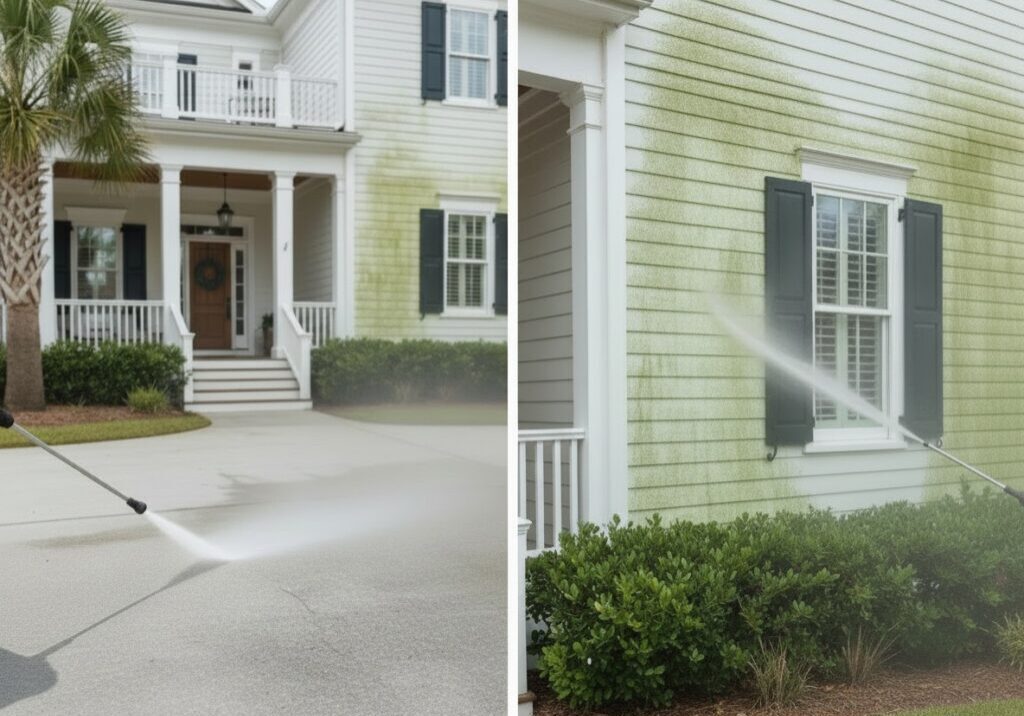
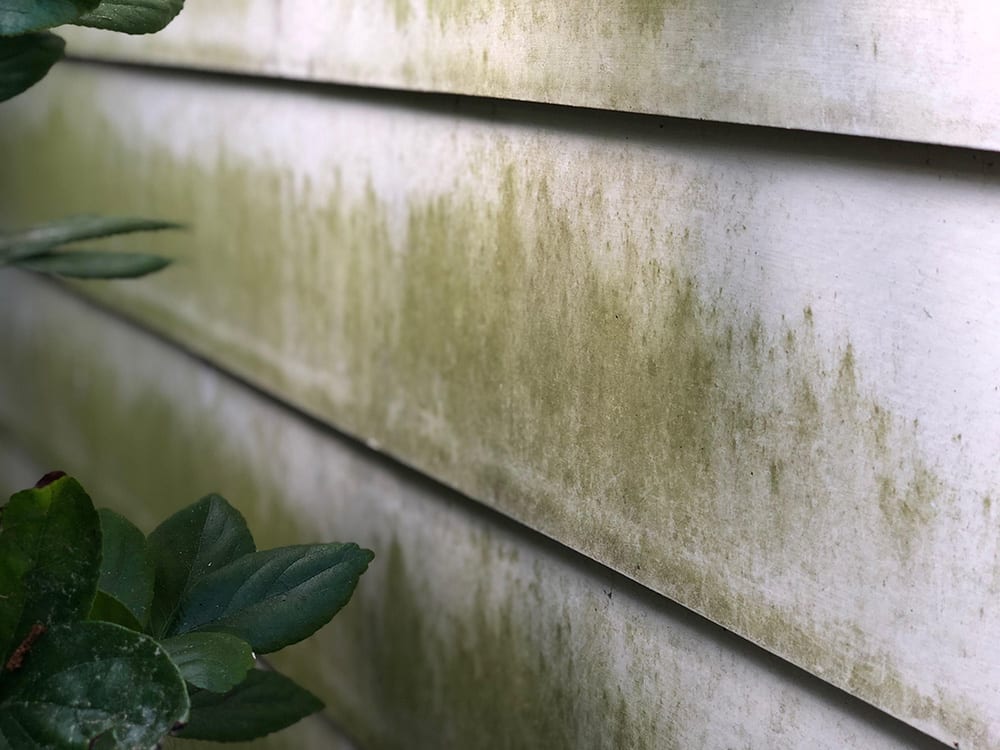
- Green algae on north-facing siding
- Dark streaking around soffits and gutters
- Pollen film in spring that sticks to siding
- Mildew spots on trim, doors, and painted surfaces
A consistent house washing schedule helps keep your exterior looking sharp, but it also helps protect finishes and reduce long-term staining.
Average House Washing Schedule (Lowcountry Guide)
Here’s a realistic baseline you can use as a starting point.
Every 6–9 Months
Consider this soft washing frequency if you have:
- Heavy shade (especially north-facing walls)
- Lots of trees (oak canopy, pine pollen, leaf tannins)
- A home near marsh or tidal water
- Frequent algae or mildew reappearing within a year
- A light-colored exterior that shows buildup quickly
About Once Per Year
A yearly wash is a good fit for many homes in:
- Bluffton neighborhoods with mixed sun/shade
- Hilton Head areas not directly on the oceanfront
- Homes that show seasonal pollen and mild algae but not heavy staining
Every 12–18 Months
You may be able to stretch it if:
- Your home gets strong sun and airflow
- You have minimal tree coverage
- You don’t see recurring algae/mildew
- Your siding and trim stay visually clean most of the year
If you’re unsure, a good rule is: don’t wait until it looks “bad.” Once staining sets in, it can take more time and effort to restore.
Factors That Increase Buildup (And Shorten the Schedule)
If you’re asking “how often should you wash your house,” these are usually the reasons the answer isn’t the same for every home.
Shade and Poor Drying Conditions
Shaded walls stay damp longer, which encourages algae and mildew. North-facing sides of the home are often the first to show green growth.
Trees, Pollen, and Organic Debris
Tree cover increases:
- Pollen film (especially spring)
- Sap and organic residue
- Leaf tannins that can discolor surfaces
This is one reason many homeowners need a more frequent exterior cleaning schedule.
Moisture and Humidity
The Lowcountry’s humidity means surfaces rarely stay “dry” for long. Add irrigation overspray and frequent rain, and you get the perfect environment for mildew.
Proximity to Marsh or Coast
Homes closer to marsh water or the coast often deal with:
- Higher moisture levels
- Salt residue on surfaces
- Faster grime accumulation
This is where a consistent soft washing frequency can make a noticeable difference.
Warning Signs It’s Time to Wash Your House
Not sure if you should clean now or wait? Look for these common indicators:
- Green patches on siding (especially shaded areas)
- Dark streaks under soffits or around gutters
- Dingy or uneven color on light siding
- Pollen film that doesn’t rinse off easily
- Mildew spots on trim, doors, or painted surfaces
- Cobweb and insect buildup around corners and entryways
If you’re seeing any of the above, it’s usually time to schedule a wash—especially before the buildup becomes stubborn.
Why Routine House Washing Is Worth It
A regular house washing schedule isn’t just cosmetic.
Better Curb Appeal (Without Painting)
A proper soft wash can make siding and trim look dramatically brighter—often without any repairs or repainting.
Helps Protect Exterior Finishes
Organic growth holds moisture. Over time, that can contribute to staining and premature wear on paint, trim, and exterior materials.
Prevents “Catch-Up” Cleanings
When homeowners wait too long, the cleaning becomes more intensive. Routine maintenance keeps the job simpler and more predictable.
Supports a Healthier Exterior Environment
Mildew and algae spread. Keeping your exterior clean helps reduce recurring growth around entryways, patios, and outdoor living areas.
Soft Washing Frequency vs. Pressure Washing: What’s Best for Homes?
For most homes, especially in Bluffton and Hilton Head, soft washing is the preferred method for siding and trim because it uses low pressure and cleaning solutions designed to safely remove organic growth.
Pressure washing can be appropriate for certain hard surfaces (like concrete), but using high pressure on siding can risk forcing water behind materials or damaging finishes.
CTA: Get a House Washing Schedule That Fits Your Home
If you’re in the Lowcountry and want a realistic plan (not guesswork), Lighthouse Softwash can help.
We’ll recommend a practical exterior cleaning schedule based on:
- Your home’s sun/shade exposure
- Tree coverage and pollen impact
- Moisture conditions and nearby marsh/coast
- The type of siding and exterior materials
If you’re looking for exterior cleaning in Bluffton, SC or Hilton Head Island, request an estimate and we’ll help you choose the right timing and maintenance cadence.
Helpful links:
- Soft wash house washing
- Bluffton service area
- Hilton Head service area
- Soft wash roof washing
- Driveway and concrete cleaning
FAQ
Is it okay to wash a house too often?
If the right method is used (soft washing for siding), routine cleaning is generally safe. The bigger risk is using excessive pressure or improper technique.
What time of year is best for house washing in the Lowcountry?
Spring and fall are popular, but the “best” time is often when buildup starts to appear—especially before humidity peaks.
Does shade really make that much difference?
Yes. Shaded, north-facing walls often stay damp longer and can develop algae faster than sun-exposed sides.

Related Articles
Make Your Home A Beacon Of Cleanliness
Gallery
Serving Hilton Head, Bluffton & surrounding areas.
Call (843) 304-0019 to see what we can do for you.